Key Takeaways
This article covers everything parents need to know about scheduling and preparing for their child’s first dental checkup in Seoul’s Songpa district.
- The ideal timing for a child’s first dental visit is within 6 months after the first tooth appears, or by age 1 at the latest.
- A pediatric dental exam typically includes oral inspection, cleaning guidance, fluoride treatment, and parent consultation—usually completed in 20–30 minutes.
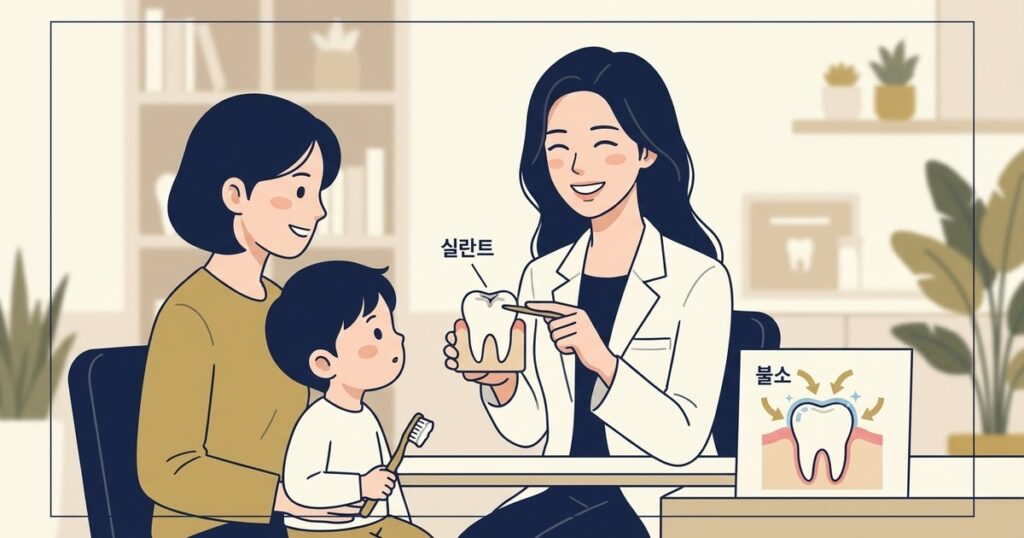
- Dental sealants protect molars from cavities and are recommended once permanent back teeth emerge, around ages 6–7.
- English-speaking dental staff can help expat families navigate the process smoothly in the Jamsilsaenae area.
Your child’s first dental visit doesn’t need to be stressful—for you or for them. Many parents wonder when the right time is, what actually happens in the chair, and whether their little one will cooperate at all. If you’re living in or visiting Seoul and searching for a kids’ dentist in the Jamsil area, this guide walks you through the process step by step so you’ll know exactly what to expect.
When Should My Child Have Their First Dental Visit?
A child’s first dental checkup should ideally occur within 6 months after their first tooth erupts, or no later than their first birthday. This timeline might seem early, but there’s good reasoning behind it. Baby teeth, also called primary teeth, are vulnerable to decay from the moment they break through the gums.
Early visits aren’t really about drilling or treatment. They’re about establishing a baseline for your child’s oral health and getting them comfortable in a dental environment. A pediatric dental examination refers to a comprehensive assessment of a child’s teeth, gums, jaw development, and bite alignment conducted by a dentist trained in treating young patients.
For expat families in Korea, navigating the healthcare system adds another layer of complexity. You might be unsure whether your insurance covers pediatric dental care or how to communicate your child’s needs. Clinics in the Songpa district that offer English-speaking services can simplify this process considerably. Many parents in the Jamsilsaenae neighborhood find it helpful to call ahead and confirm language availability before booking.
Here’s a general timeline for pediatric dental milestones:
| Age | Dental Milestone | Recommended Action |
|---|---|---|
| 6–12 months | First tooth appears | Schedule first dental visit |
| 1–2 years | Multiple baby teeth emerge | Begin routine checkups every 6 months |
| 2–3 years | Full set of 20 baby teeth | Consider fluoride varnish application |
| 6–7 years | First permanent molars erupt | Dental sealants recommended |
| 6–12 years | Mixed dentition (baby and adult teeth) | Monitor bite development, continue sealants |
What Happens During a Pediatric Dental Checkup?
A typical first dental visit lasts 20–30 minutes and focuses on gentle examination, parent education, and building your child’s comfort with the dental environment. There are no scary surprises. The dentist’s primary goal is to make this a positive experience so future visits feel routine rather than frightening.
During the appointment, the dentist will:
- Examine your child’s teeth, gums, and jaw for any signs of decay, developmental issues, or bite problems
- Gently clean the teeth if appropriate for your child’s age and cooperation level
- Assess the risk of future cavities based on diet, oral hygiene habits, and tooth structure
- Apply fluoride varnish if recommended (a quick, painless process)
- Discuss brushing techniques, nutrition, and habits like thumb-sucking or pacifier use with parents
For very young children, the exam might happen with your child sitting on your lap. This “knee-to-knee” position helps them feel secure while allowing the dentist clear visibility. Don’t worry if your toddler fusses or cries—dental professionals who work with children expect this and know how to proceed gently.
One common concern among international families is whether the dentist will recommend unnecessary treatments. Korean dental clinics generally follow conservative approaches for pediatric patients, focusing on prevention rather than intervention. If you ever feel uncertain about a recommendation, asking questions is always appropriate. A good dentist will take time to explain why a particular treatment might be beneficial.
How to Prepare Your Child for the Dentist
Preparation at home can make a significant difference in how smoothly the appointment goes. Children pick up on parental anxiety, so staying calm and positive sets the tone. Avoid using words like “hurt,” “shot,” or “pain” when describing what will happen—even in reassuring contexts like “it won’t hurt.” Kids tend to latch onto the scary word and miss the reassurance.
Here’s a step-by-step approach to preparing your child:
- Step 1: Read books about dental visits – Picture books featuring friendly dentist characters help normalize the experience. Read these casually over several days before the appointment.
- Step 2: Play pretend at home – Use a toothbrush to “count” your child’s teeth or let them examine a stuffed animal’s mouth. This makes the concept of someone looking in their mouth feel familiar.
- Step 3: Keep explanations simple – Tell your child the dentist will count their teeth and make sure they’re healthy. That’s enough information for most young children.
- Step 4: Schedule wisely – Book the appointment during a time when your child is typically well-rested and fed. Avoid naptime or late afternoon when energy and patience run low.
- Step 5: Bring a comfort item – A favorite small toy or blanket can provide reassurance in an unfamiliar environment.
If your child has had negative medical experiences before, mention this when booking. Staff can often allocate extra time or take additional steps to help your child feel at ease. Clinics experienced with young patients in areas like Jamsil understand that patience is part of the job.
Questions to Consider Before the Appointment
Does the clinic have staff who can communicate in English? What should I do if my child becomes very upset during the exam?
Fluoride Treatment and Dental Sealants Explained
Fluoride varnish and dental sealants are two of the most effective preventive treatments available for children’s teeth. Neither involves drilling, and both can dramatically reduce the risk of cavities.
Fluoride varnish is a concentrated form of fluoride painted directly onto the teeth. The application takes less than a minute and strengthens tooth enamel, making it more resistant to acid attacks from bacteria. For children under 6, fluoride varnish is typically applied every 3–6 months, depending on cavity risk. The varnish sets quickly and has a mild taste that most children tolerate well.
A dental sealant is a thin protective coating applied to the chewing surfaces of back teeth (molars) to prevent food and bacteria from settling into the deep grooves where cavities commonly develop. Sealants are most beneficial when applied soon after permanent molars emerge—usually around ages 6–7 for the first molars and ages 11–13 for the second molars.
The sealant application process is straightforward:
- The tooth is cleaned and dried
- A mild solution is applied briefly to help the sealant bond
- The sealant material is painted on and hardened with a curing light
- The entire process takes only a few minutes per tooth
Sealants can last several years with normal wear, though your dentist will check them at regular visits and reapply if needed. For families concerned about cost, it’s worth noting that preventing a cavity is almost always less expensive—and certainly less stressful—than treating one.
If you’re curious about other preventive and restorative options for your family’s dental health, you might find it helpful to learn about different types of dental restorations available in Korea.
Finding a Kids’ Dentist in Songpa, Jamsil, and Jamsilsaenae
Choosing the right dental clinic for your child involves considering location, language support, and the practice’s experience with young patients. For English-speaking families living in or near Songpa-gu, finding a clinic where communication flows easily makes the entire experience less stressful.
When evaluating clinics in the Jamsil area, consider these factors:
- Language capabilities: Can staff explain procedures and answer questions in English? This matters not just for your understanding but for building trust with your child.
- Pediatric experience: Does the clinic regularly treat young children? Staff accustomed to pediatric patients handle anxiety and behavioral challenges more smoothly.
- Appointment flexibility: If your work schedule or your child’s school hours are limited, check whether the clinic offers weekend or evening appointments.
- Insurance and payment: International insurance coverage varies widely in Korea. Some clinics can bill insurance directly; others require you to pay upfront and submit claims yourself. Ask before your visit.
At Yonsei Gunho Dental Clinic in the Jamsilsaenae area, English-speaking services are available, which can ease communication concerns for expat families. Dr. Han Seungwon, a specialist in conservative dentistry, is part of the dental team, and the clinic serves patients across the Songpa district including those searching for pediatric dental care in Jamsil.
Traveling with children to appointments can feel like a small expedition, so proximity to public transit or parking availability often influences the decision. Many parents in the area appreciate clinics close to Jamsilsaenae Station for accessibility.
Conclusion: Starting Your Child’s Dental Journey Right
Your child’s first dental visit sets the foundation for a lifetime of oral health habits. Early checkups allow dentists to catch potential issues before they become problems, and they help children learn that the dental office is a safe, routine place to visit. With proper preparation, most kids adapt quickly—and some even enjoy the experience.
Preventive care like fluoride treatments and sealants offers powerful protection against cavities, especially during the years when children are still mastering brushing techniques. Regular visits every 6 months keep everything on track and give you the chance to ask questions as your child’s teeth develop.
If you’re considering a pediatric dental consultation in the Jamsil, Jamsilsaenae, or Songpa area, Yonsei Gunho Dental Clinic offers English-friendly services for families navigating the Korean healthcare system. You can reach the clinic at 02-6956-9949 to ask questions or schedule an appointment. Starting early gives your child the best chance at healthy teeth—and a positive attitude toward dental care that can last a lifetime.
This article is provided for general dental health information only and is not a substitute for professional medical advice on a specific diagnosis or treatment. Treatment methods, duration and outcomes vary with each patient’s oral condition, so please consult a dentist directly for an accurate diagnosis and treatment plan.
Frequently Asked Questions (FAQ)
At what age should I take my child to the dentist for the first time?
Your child should have their first dental visit within 6 months after their first tooth appears, or by their first birthday at the latest. Early visits focus on prevention and getting your child comfortable with the dental environment rather than treatment.
How long does a child’s first dental checkup usually take?
A typical first dental visit takes about 20–30 minutes. This includes a gentle examination of the teeth, gums, and jaw, along with time for the dentist to discuss oral hygiene and answer any questions you have as a parent.
Are dental sealants safe for children?
Yes, dental sealants are considered safe and highly effective for preventing cavities. They’re applied to the chewing surfaces of molars without any drilling and can protect teeth for several years with normal wear.
How often should my child receive fluoride treatment?
For most children, fluoride varnish is recommended every 3–6 months depending on their cavity risk. Your dentist will assess your child’s individual needs and suggest an appropriate schedule during regular checkups.
Where can I find an English-speaking pediatric dentist in Jamsil or Songpa?
Several dental clinics in the Songpa district, including the Jamsil and Jamsilsaenae areas, offer English-speaking services for international families. Calling ahead to confirm language availability and asking about experience with young patients can help you find the right fit.